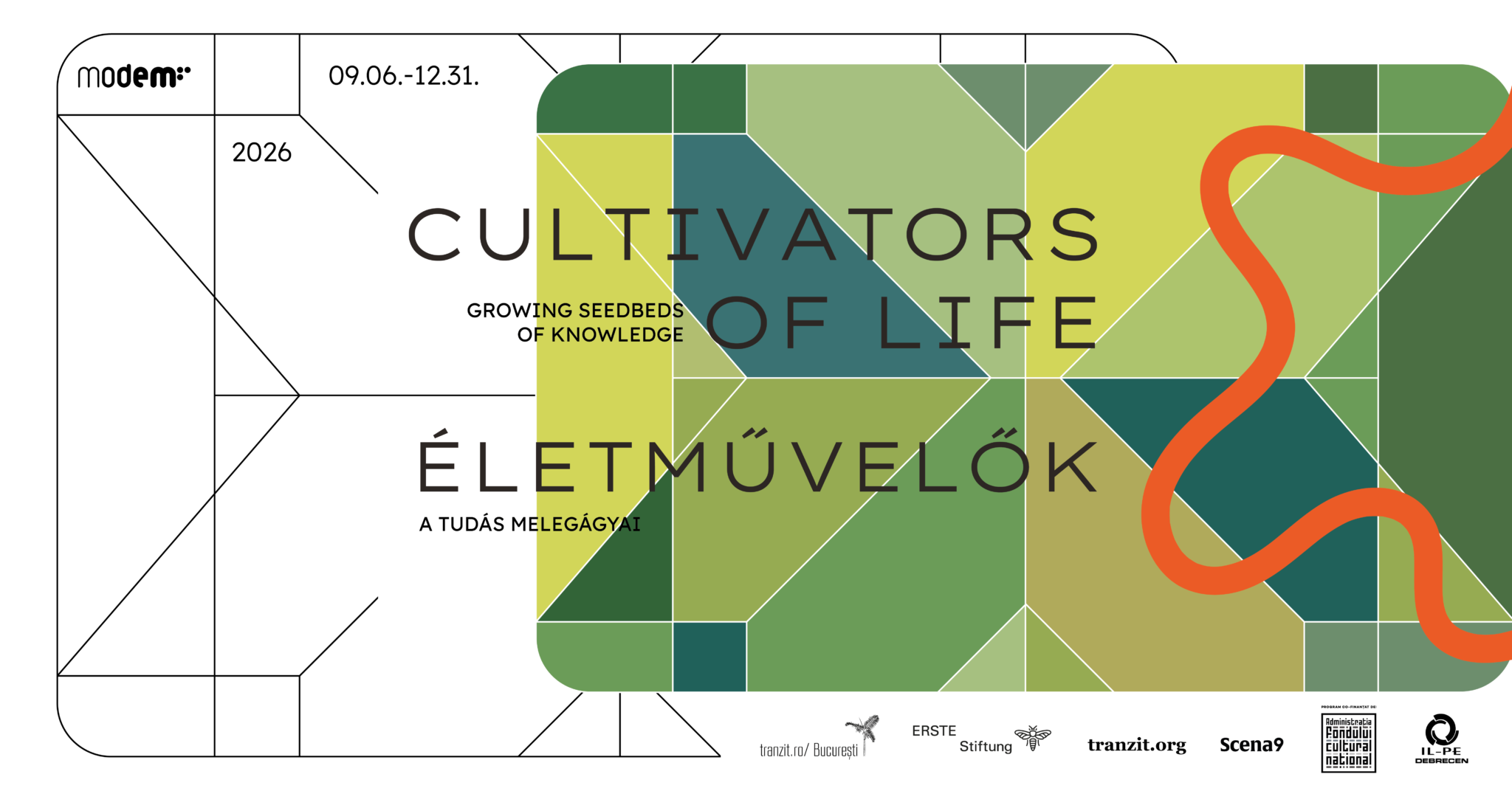
Cultivators of Life: Growing Seedbeds of Knowledge
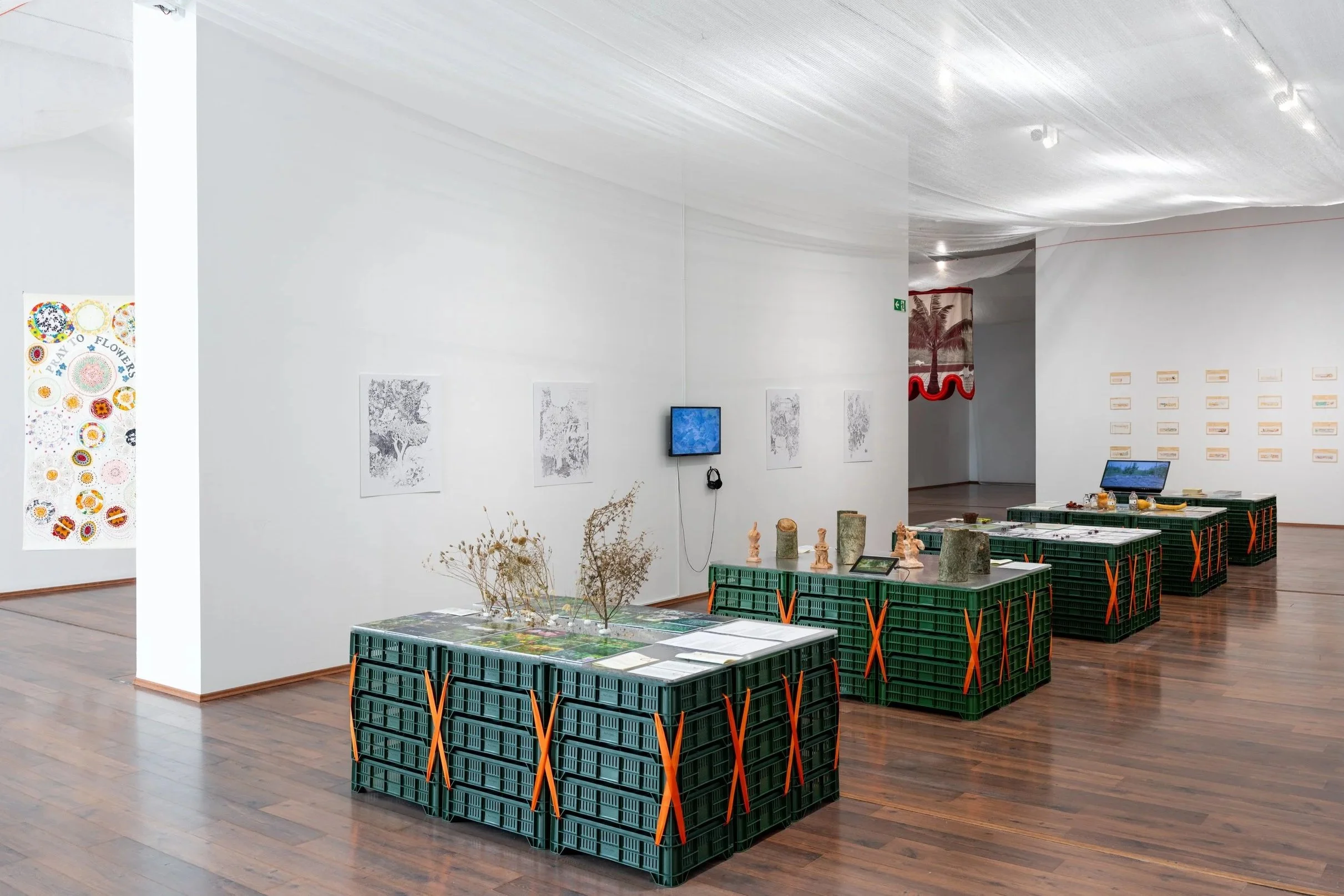
Photo Credit: Katona Klaudia
Group exhibition
MODEM - Debrecen, Hungary, Center for Modern and Contemporary Art
—
September 6, 2026 - November 8, 2026
Curated by Adelina Luft and Krisztián Gábor Török
Exhibition design: TEREBINTH studio (Budapest)
Organized in partnership and co-produced with MODEM as part of the two-year Cultivators of Life programme (2025–2026).
The group exhibition is presented within the framework of the two-year programme Cultivators of Life, curated and organized by tranzit.ro/Bucharest throughout 2025–2026 at the Experimental Station for Research on Art and Life, partner venues across Bucharest, and at MODEM – Center for Modern and Contemporary Art in Debrecen. The programme has included artistic residencies, public events in gardens, hands-on workshops, and the Conversations in Living Thought, coordinated by philosopher Ovidiu Țichindeleanu, culminating in this exhibition, organized in partnership with MODEM and co-curated by Adelina Luft (tranzit.ro/Bucharest) and Krisztián Gábor Török (MODEM).
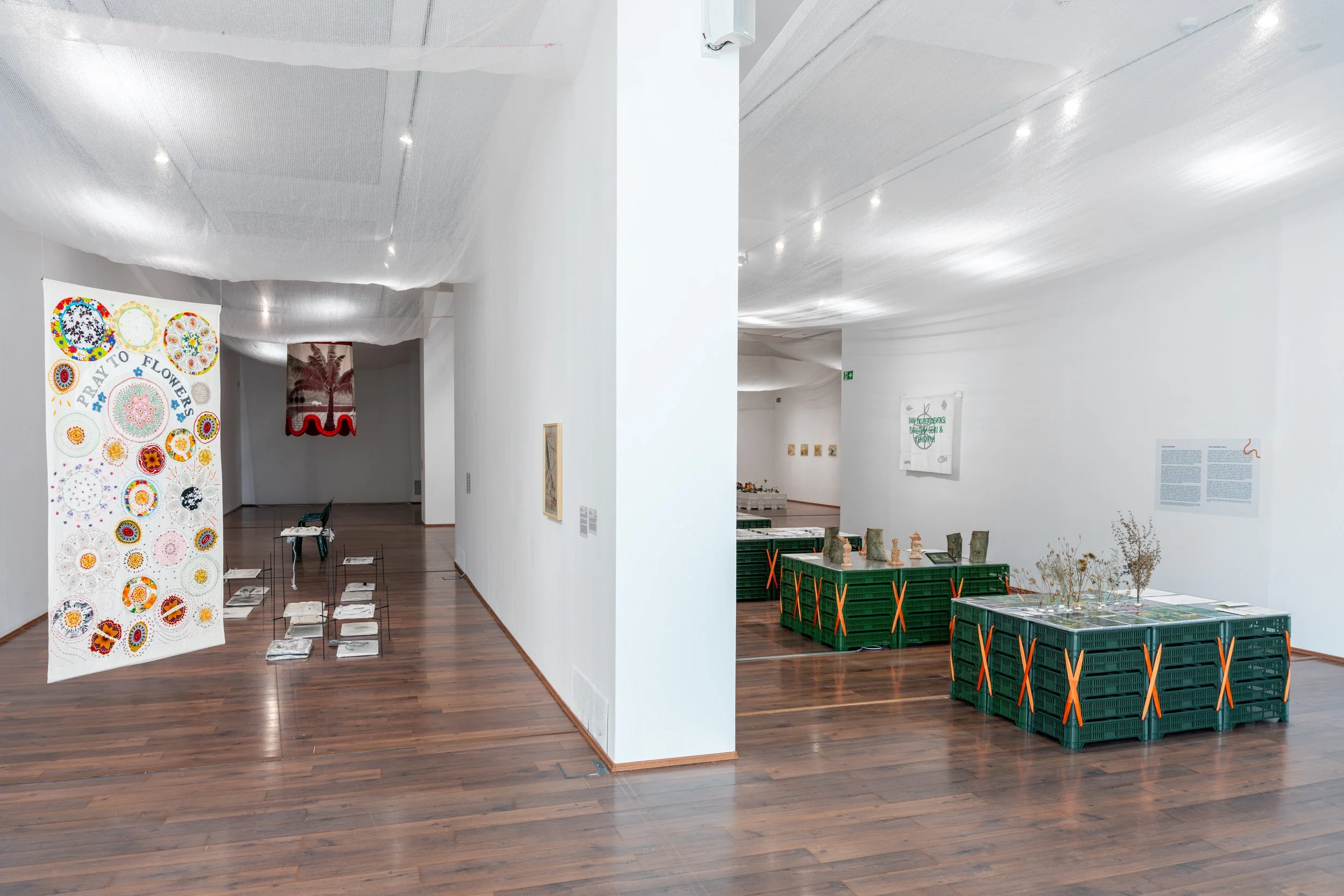
At the heart of the exhibition are six gardens in and around Bucharest and Debrecen that became places of exchange, research, artistic inquiry, and long conversations with those who tend them. The decision to work with gardens cared for by artists, writers, educators, and community organizers emerged from a desire to begin with the particular social, cultural, and ecological realities of Central and Eastern Europe. One point of departure is the notion of quiet sustainability (Joe Smith and Petr Jehlička, 2013), which describes small-scale cultivation practices in household gardens, shared plots, and backyards that benefit the environment without necessarily being understood as environmental activism by those who practice them. Their significance lies instead in cultures of mutual aid, repair, gifting, and reciprocal exchange that quietly weave together family, friendship, work, and community.
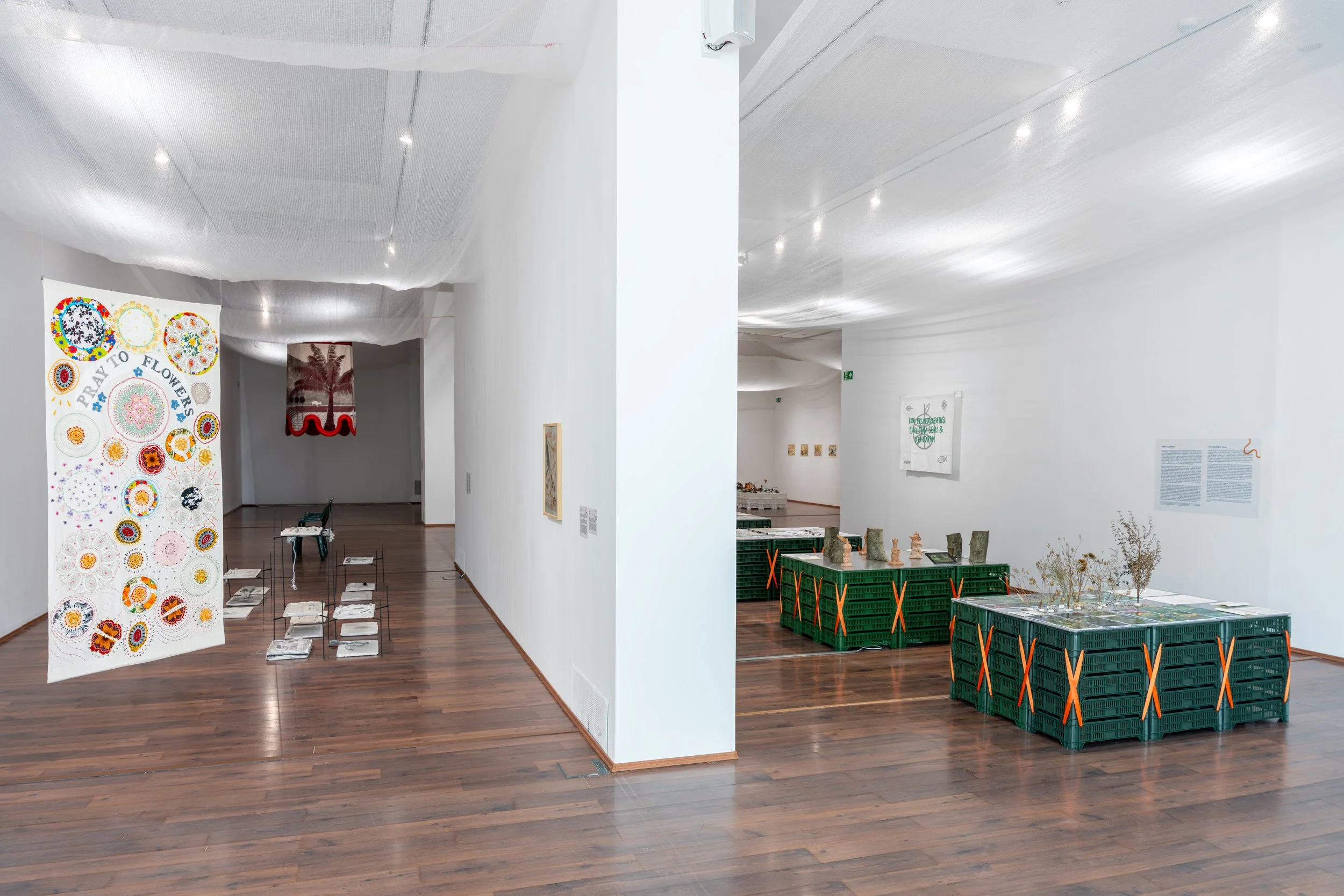
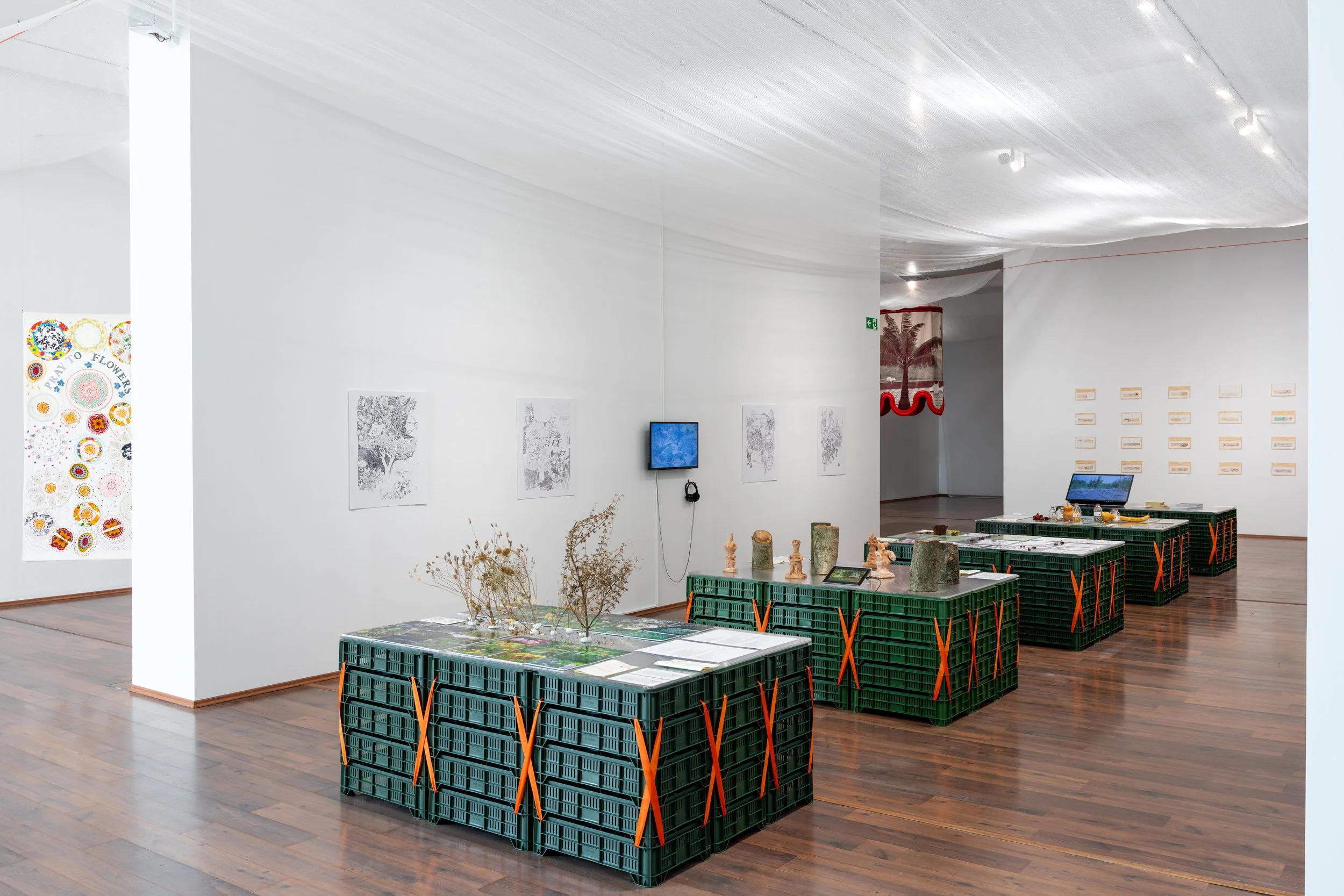
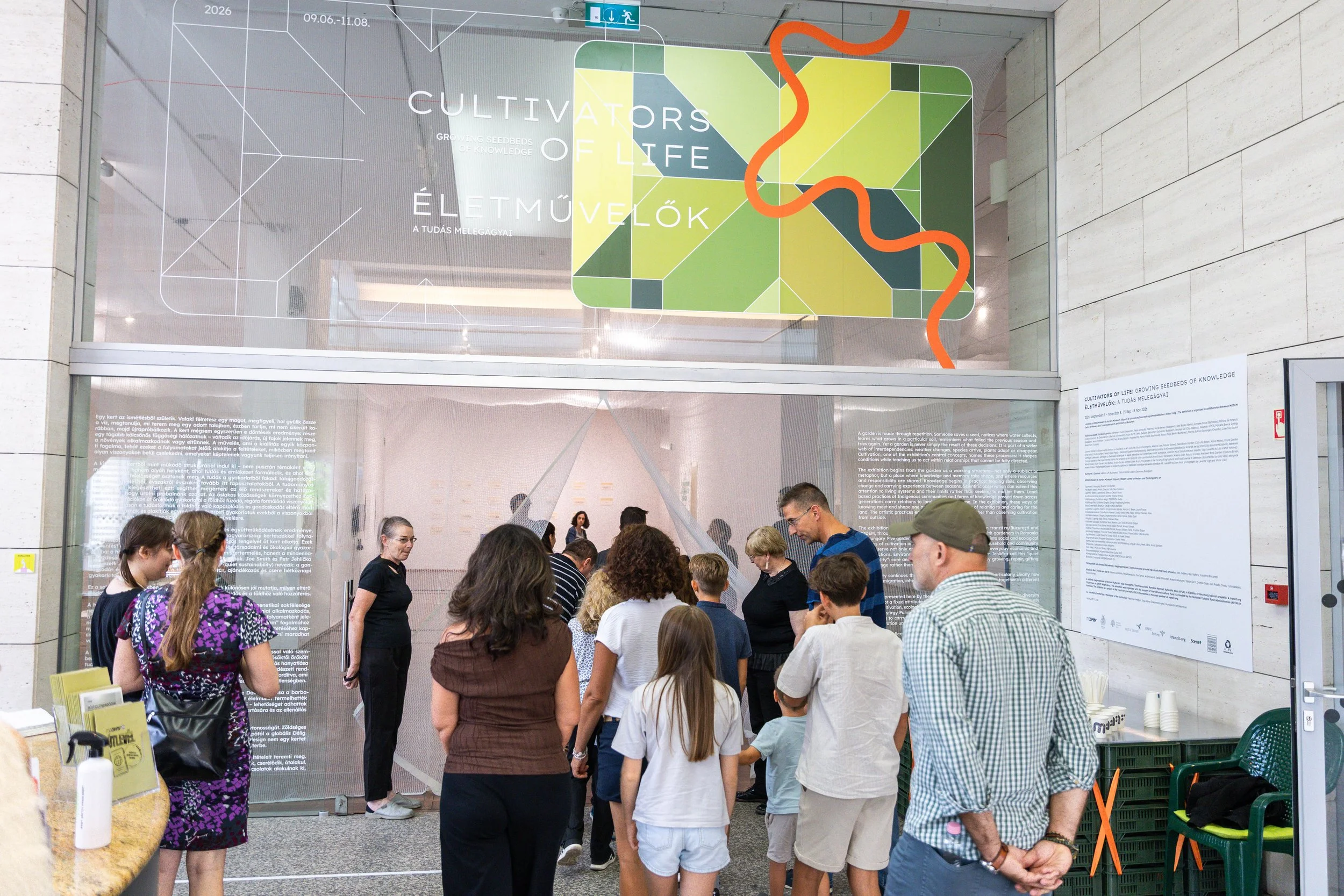
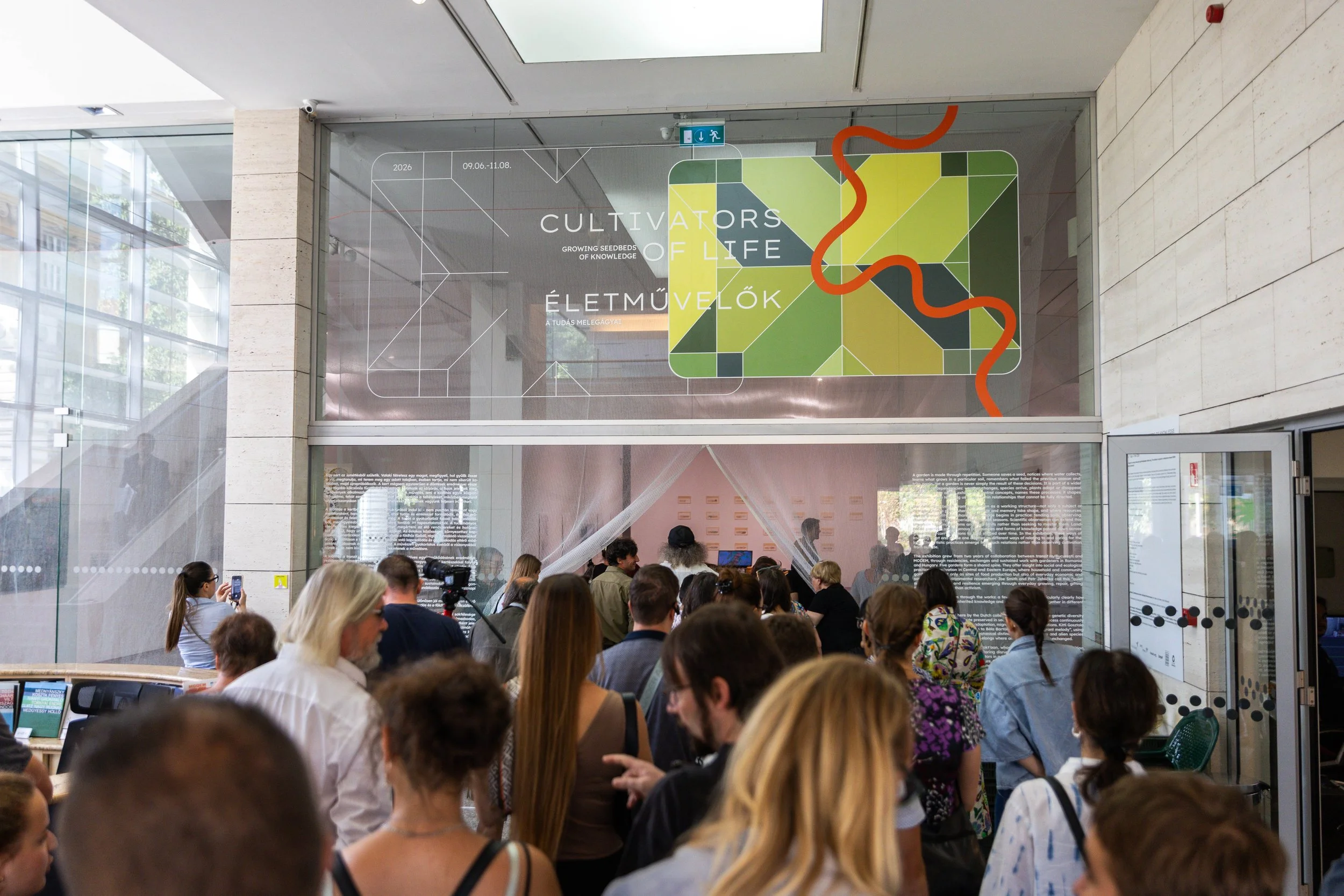
Photo Credit: Katona Klaudia
The garden is not only a subject or a metaphor, but a working structure through which knowledge, memory, resources, and responsibility are produced and shared. Departing from the garden as a place of learning, experimentation, preservation, self-expression, and social transformation, the exhibition expands this conversation through practices from Yucatán, Barbados, Yogyakarta, and elsewhere, where cultivation also becomes a way of producing knowledge, sustaining communities, and relating to the living world. Rather than searching for a single model, Cultivators of Life brings together different histories and practices that meet through shared concerns while remaining grounded in their own contexts.
Cultivators of Life approaches the cultivated plot, the garden, and the soil from which all life emerges as places where different ways of relating to the living world intersect. These include knowledge emerging from cultivation itself, shaped by changing climates, soils, and seasons; scientific knowledge that helps us understand the properties, limits, and possibilities of the living world rather than master it; and indigenous and ancestral forms of relating to the land that challenge inherited separations between nature and culture.
The exhibition proposes that these are not separate domains of knowledge but mutually constitutive practices. Their intersections are increasingly reflected in the work of artists whose practices unfold across cultivation, science, environmental stewardship, pedagogy, community organizing, and movements of resistance. Rather than borrowing from these fields, they work through them. Art becomes one way of observing, cultivating, preserving, and thinking with the living world. The works in the exhibition do not simply represent these realities. They emerge from long-term relationships with places, plants, people, and other forms of life.
Participating artists, gardens
and collaborators
Adelina Luft; Krisztián Gábor Török
Curators
Alex Bodea (Berlin), Annalee Davis (Barbados), Aterraterra(Palermo), Colectivo Suumil Móokt’aan (Yucatán), Fuzzy Earth (Budapest), Harun Morrison (London), Horia Bernea (Bucharest), Kitti Gosztola & Bence Pálinkás (Budapest), Marina Sulima (Groningen/Chișinău), Martin Piaček (Bratislava), Mónica de Miranda (Lisbon/London), de Onkruidenier Collective (Amsterdam), Orsolya Gál (Cluj-Napoca), PARI feat. Anang Saptoto (Yogyakarta), Raluca Popa (Berlin/Bucharest).
Artists and Practitioners
Cosmos Garden at the Experimental Station for Research on Art and Life (with contributions from Raluca Voinea, Eduard Constantin, Adelina Ivan, and others), Seed Bank Garden (Adina Moise and works from Codruta Birsan), Uzura Garden (Ana Barbu), Studio-Garden Crețești (Delia Popa), the garden of the Faculty of Agricultural and Food Science in Debrecen (documented by Lilla Váczi) alongside research about the kertségek (the garden districts of Debrecen).
Gardens and Contributors
TEREBINTH studio (Budapest)
Exhibition design
From The Exhibition
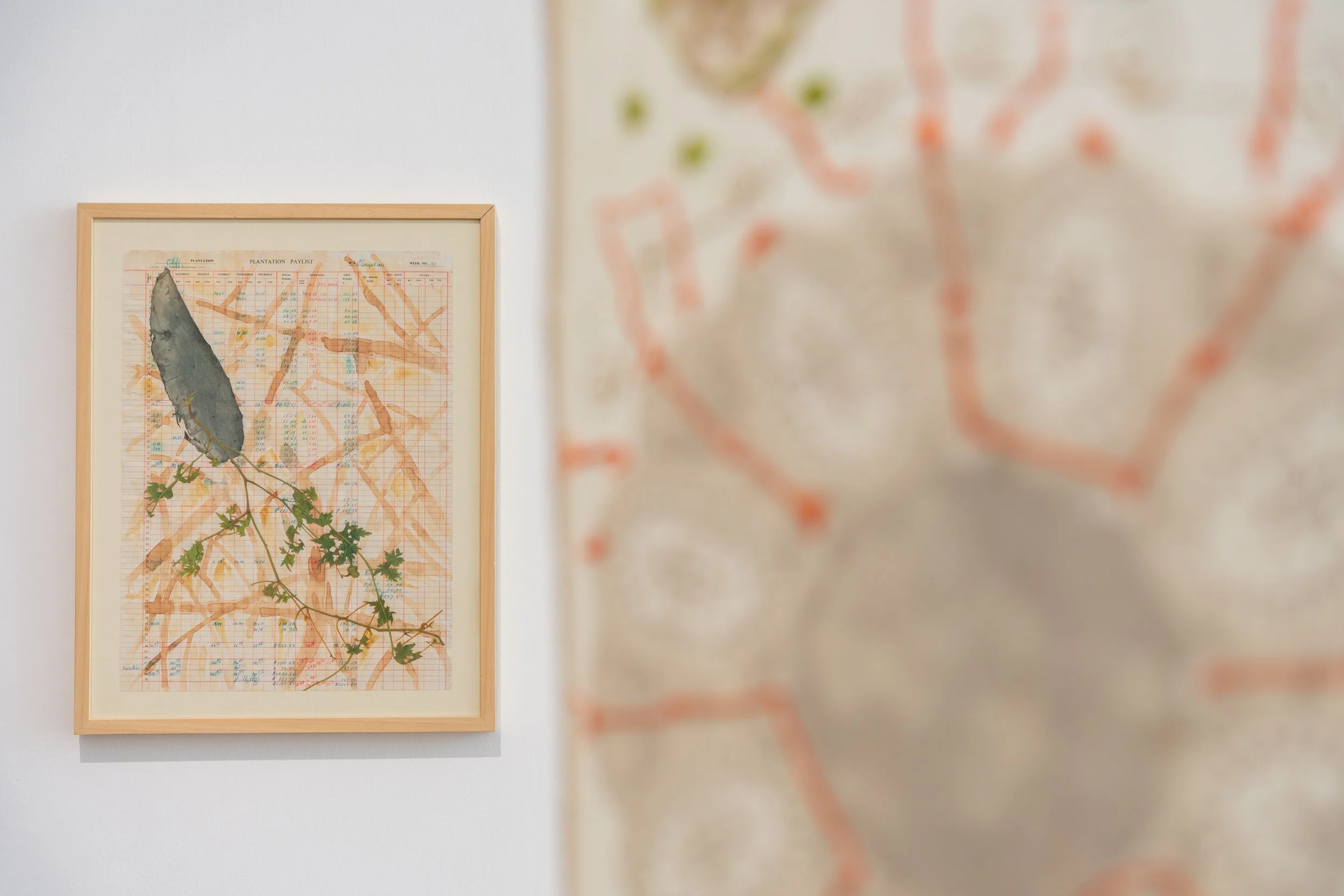
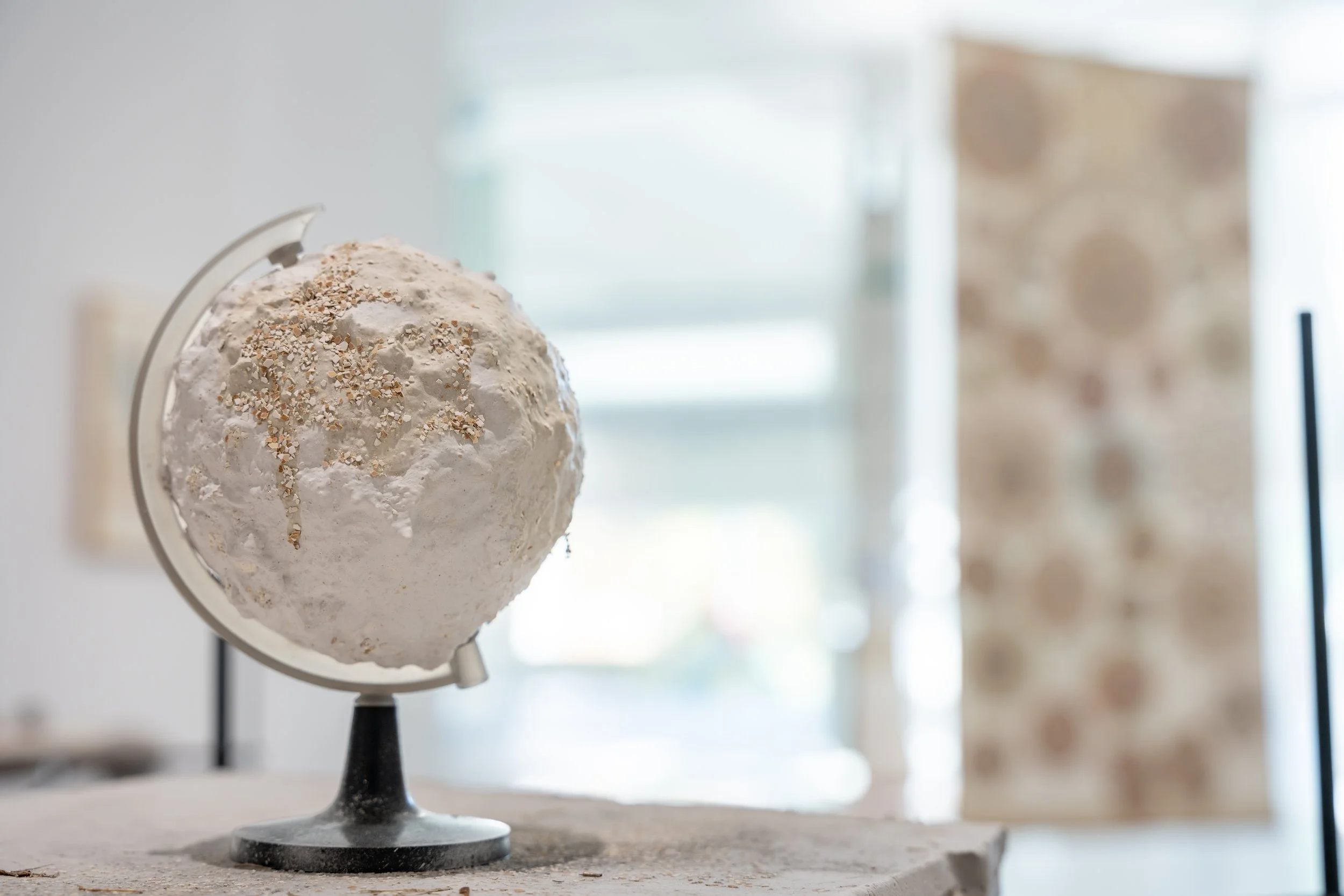
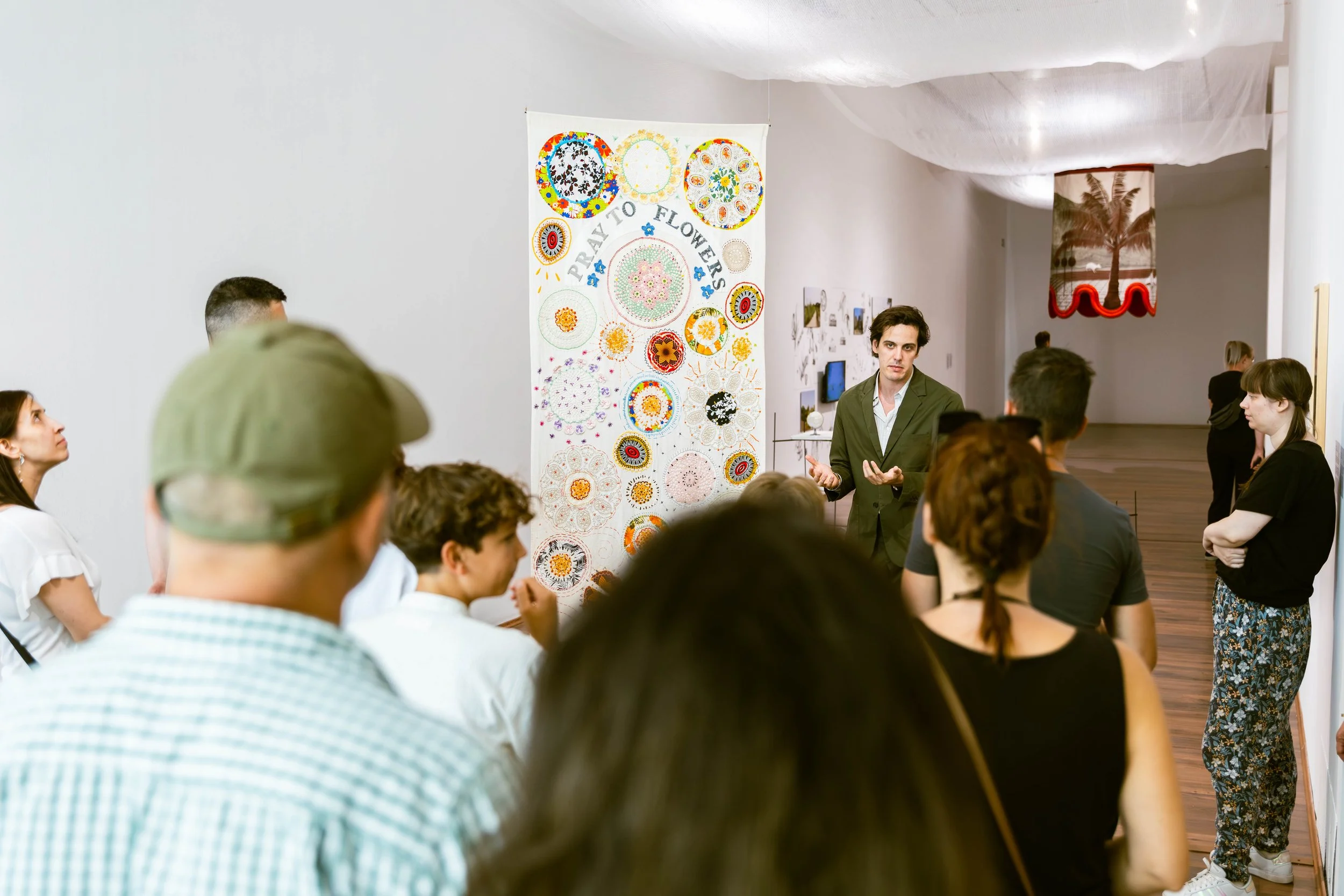
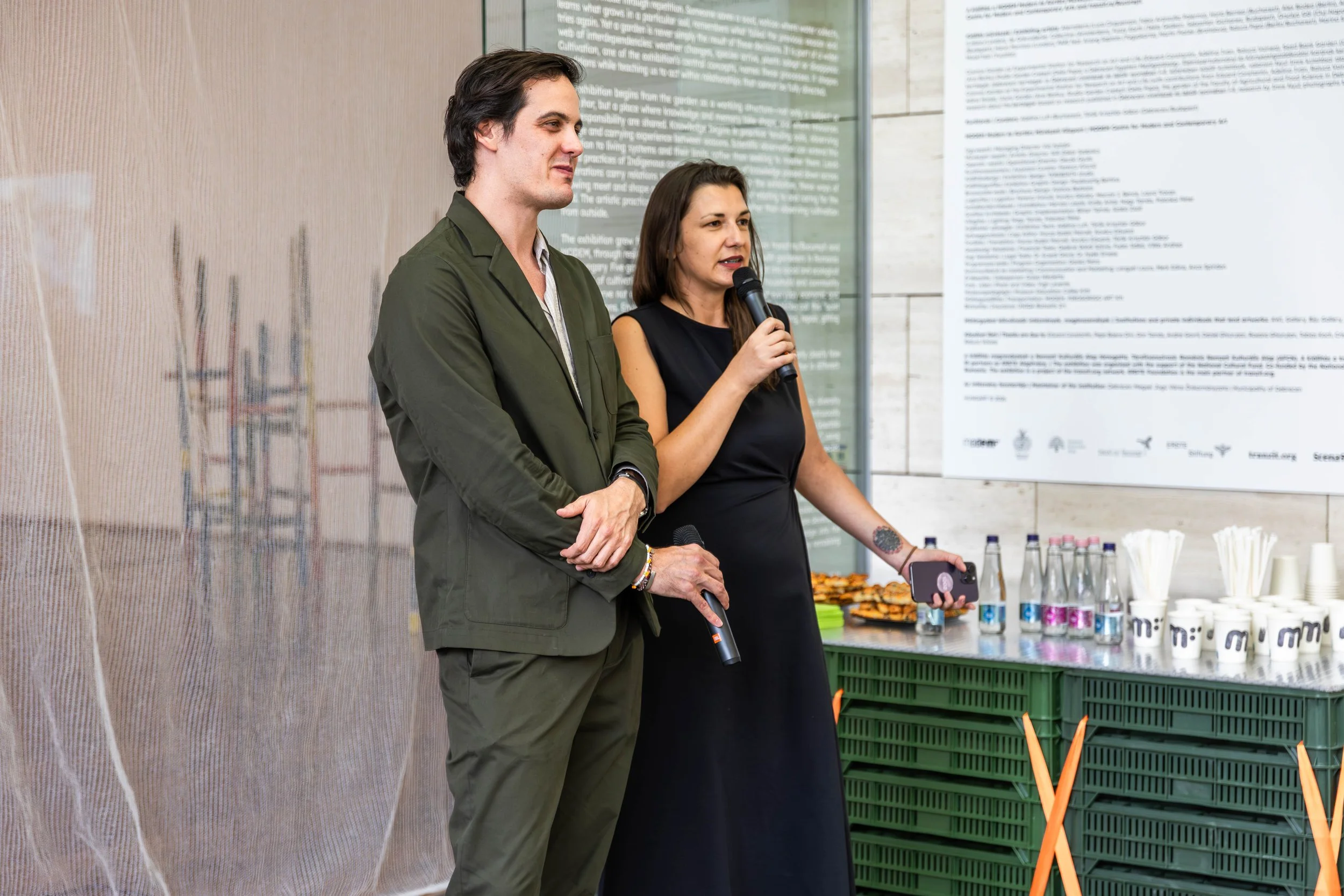
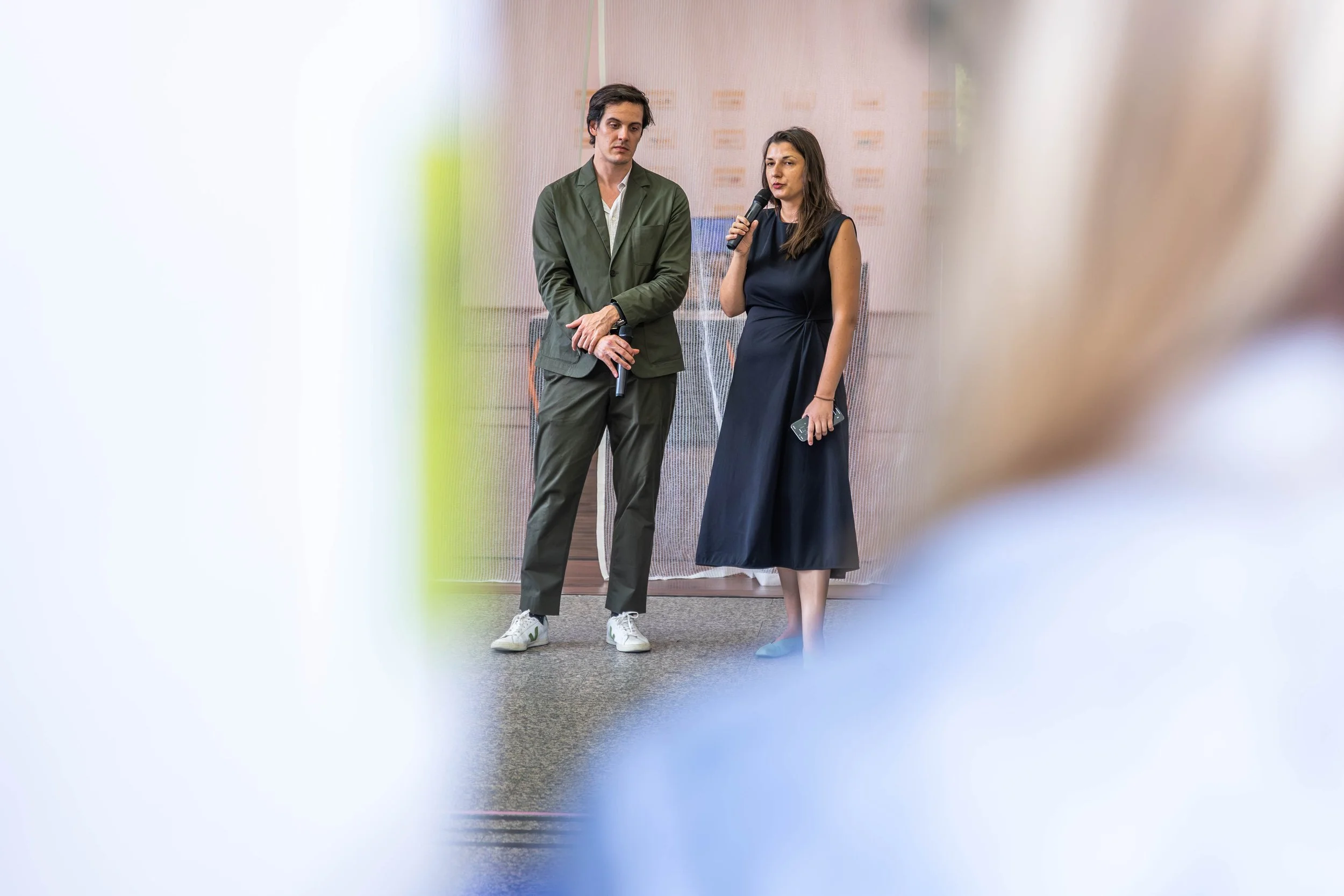
Installation views, material details, and moments from the opening at MODEM, including two of my works on display- Pray to Flowers and Second Spring (study)